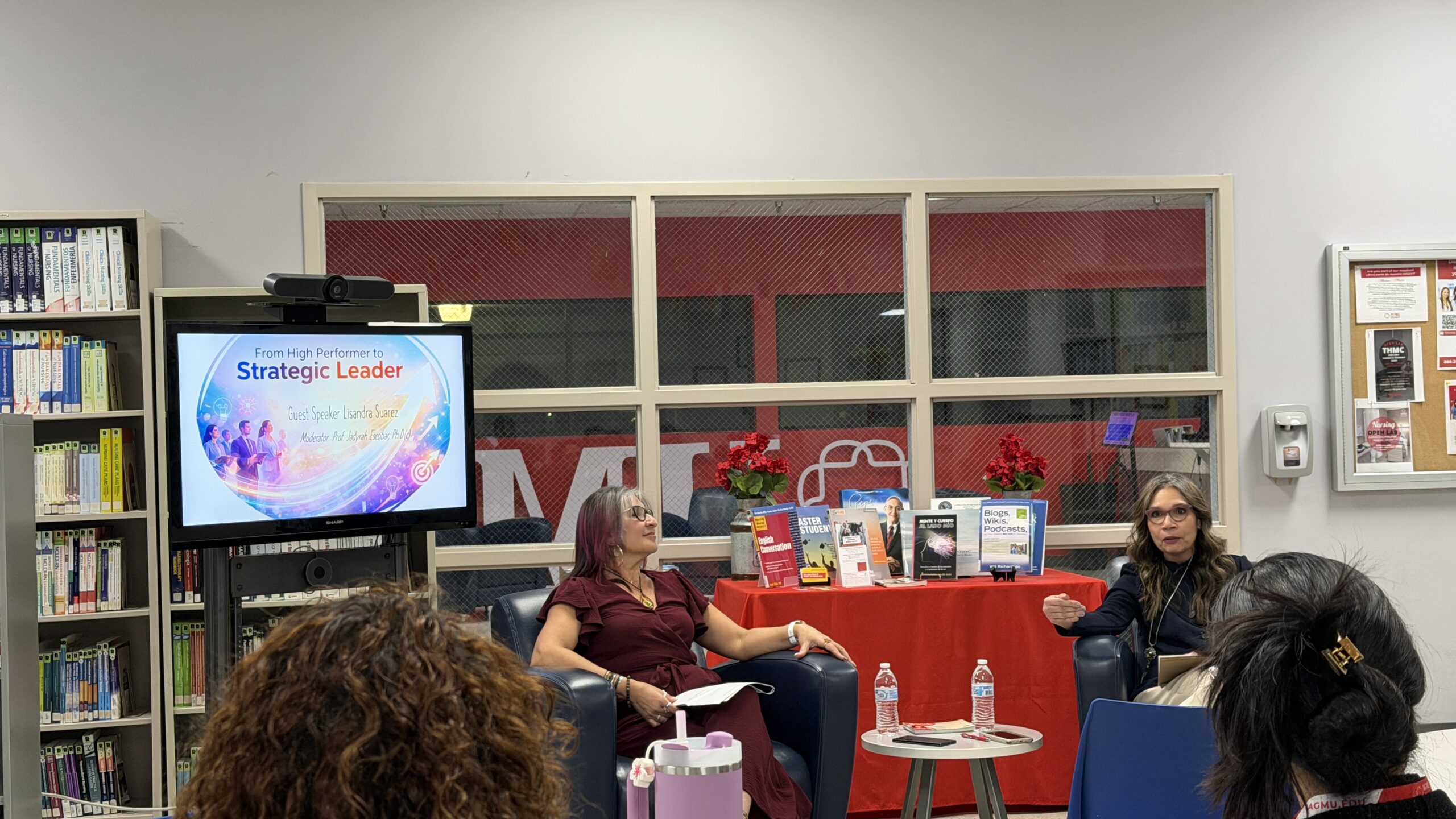
The Department of Business and Entrepreneurship, under the facilitation of Prof. Jadyrah Escobar, Associate Professor, hosted a professional development session titled “From High Performer to Strategic Leader.” The activity created a reflective space focused on one of the most relevant transitions in today’s professional landscape: the shift from individual performance to strategic leadership.
The session was conducted by Prof. Escobar and featured a collaborative dialogue with Mrs. Lisandra Suárez, SHRM-SCP, CPC, ACC, ELI-MP, founder of Unleashing Lives, who contributed an executive coaching perspective grounded in leadership development practice. The conversation opened with a central reflection by Mrs. Suárez: “The barriers to advancement are rarely about capability. They are about mindset, positioning, and influence.”
Throughout the conversation, Mrs. Suárez emphasized that career progression is less about technical proficiency alone and more about the ability to expand impact beyond one’s immediate role. While high performance establishes credibility, strategic leadership is defined by how effectively individuals contribute to broader organizational outcomes.
The discussion explored how leadership growth involves a transition in focus, from execution to alignment, and from individual task ownership to influencing direction and collective outcomes. In this sense, strategic leadership is shaped by the ability to navigate complexity, create clarity, and influence without formal authority.
A key theme of the session was the redefinition of soft skills as essential leadership capabilities rather than secondary attributes. Executive presence, political awareness, and systems thinking were highlighted as critical differentiators in leadership readiness and effectiveness.
Visibility was also addressed as a strategic dimension of professional growth. Rather than self-promotion, it was framed as intentional positioning that ensures contributions are recognized within the broader organizational context.
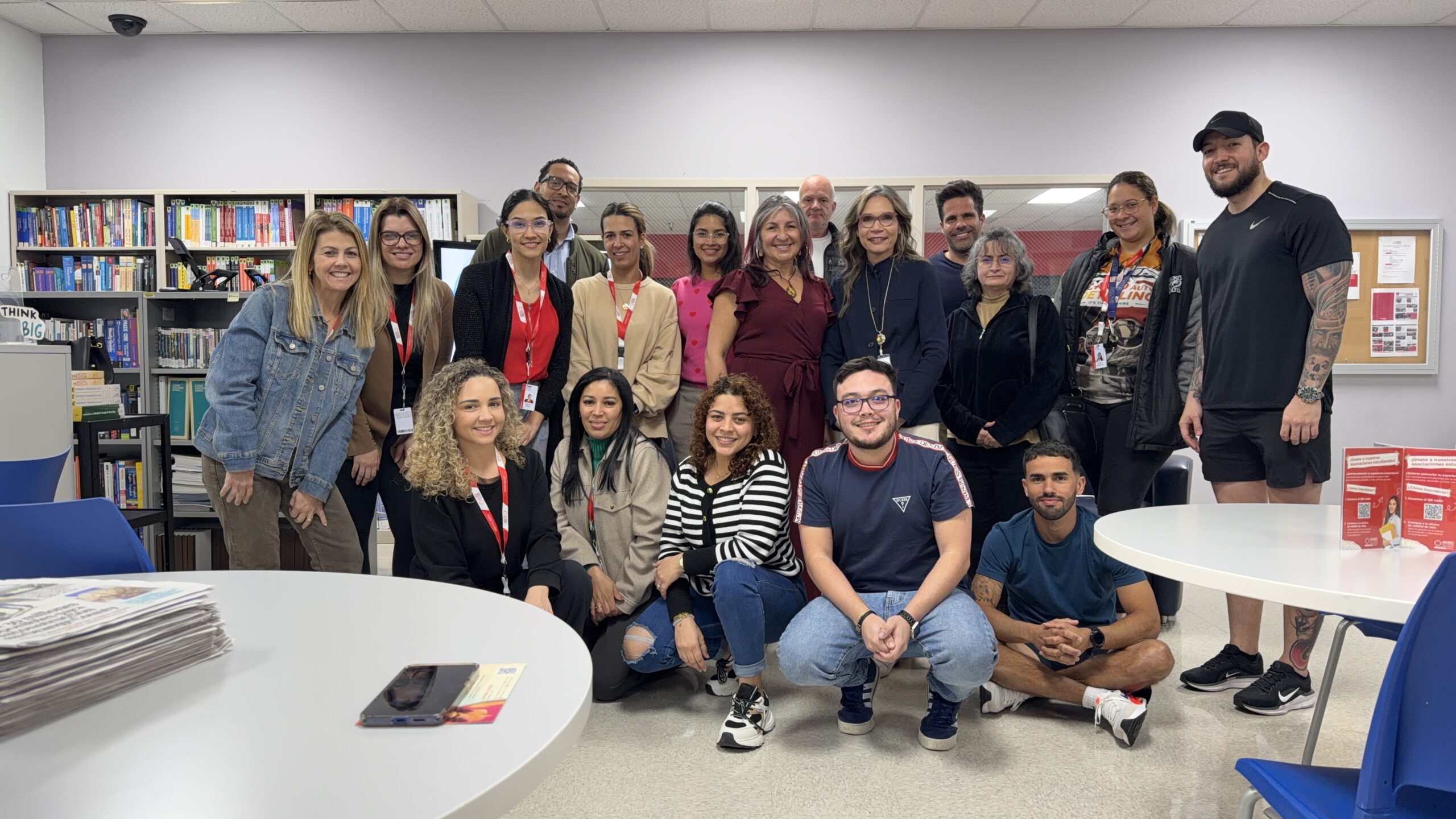
For Prof. Escobar, the session reflected the importance of creating spaces where emerging and developing professionals can critically reflect on the evolving expectations of leadership and the competencies required to navigate those transitions effectively.
Ultimately, the conversation reinforced a central message: high performance is the foundation, but strategic leadership is the multiplier that shapes long-term impact and organizational contribution.
A key theme of the session was the redefinition of soft skills as essential leadership capabilities rather than secondary attributes. Executive presence, political awareness, and systems thinking were highlighted as critical differentiators in leadership readiness and effectiveness.